
Substance: A Boutique with a Conscience

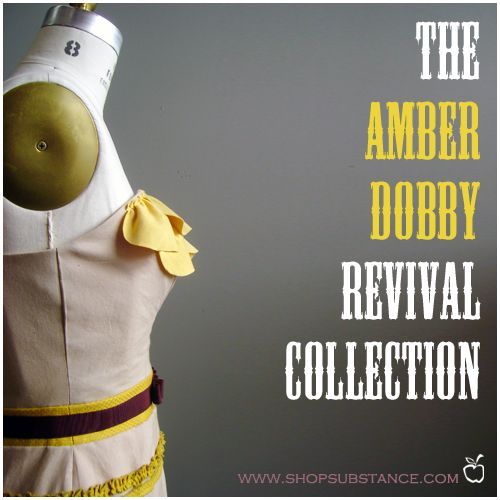
“All clothing should be sustainable and organic, ” says desiger Hassan Pierre, quoted in the current issue of VOGUE Magazine. Christian Getachew’s boutique Substance – which share’s Pierre’s philosophy – is located in Columbus, Ohio, and my friend Betsy Stevenson in the designer of some of the garments that are sold there.
Betsy and I met up recently in Seattle (Betsy was making herself a couture dress for an upcoming opening at the boutique), and we had a chance to discuss the whole idea of repurposed fashion. I thought I’d let her share what she does. I think you’ll find it as interesting as I did.
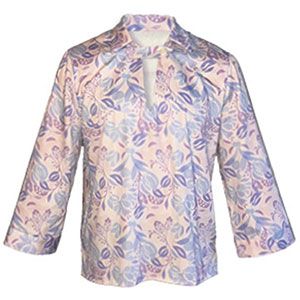
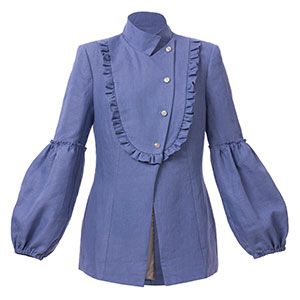
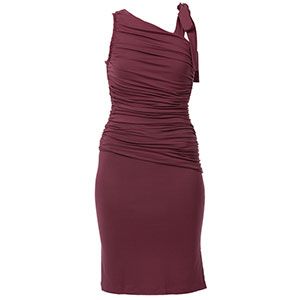
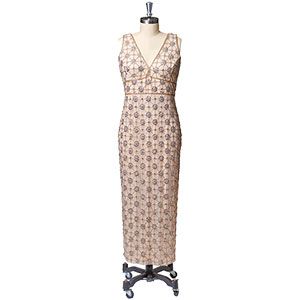
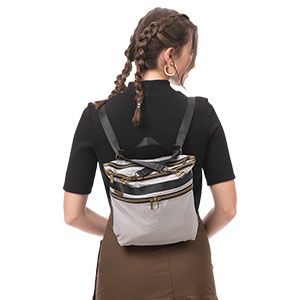
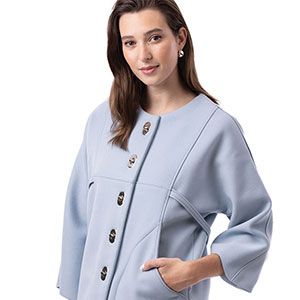
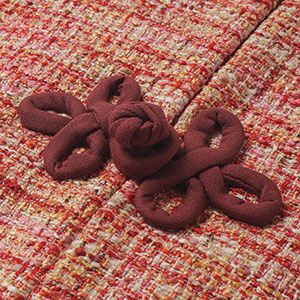
“First, a bit about the Design Lab: Each season, we design and make a collection in our Columbus, Ohio boutique. We use mostly repurposed materials, whether they are overstock clothing from our private label, styles that didn’t sell, or damaged items; pretty much anything that needs a bit of restyling to save it from the landfill.
One day last year a neighbor who lives in the building across the street gave us an entire bolt of gorgeous amber-colored dobby cloth. The first thing you notice is the vivid color that is modern in a pop-vintage sort of way. It has the natural mineral-like quality of an amber gemstone, and when you touch it you are surprised by the softness. You then become intrigued by the texture of the weave. Squares within squares so small, that from a few feet away give a luster from the light on cloth.
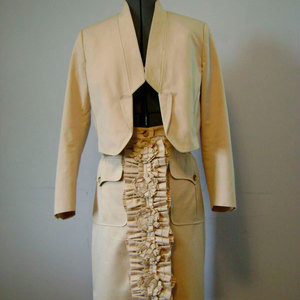
The Amber Dobby Revival collection was made from the following:
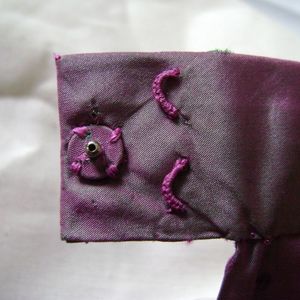
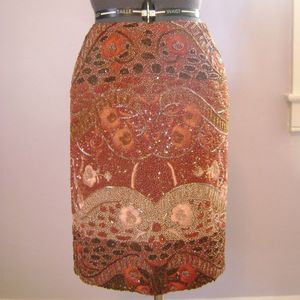
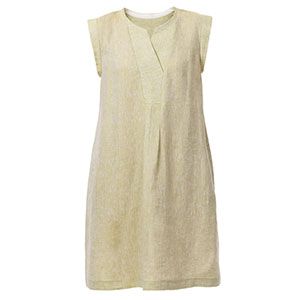
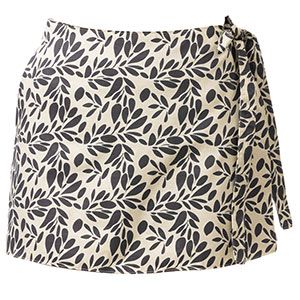
-2 recycled sari dresses that were torn; they were first made into tunics with half-sleeves and hand stitched hems. The remaining silk was used for the tiered skirt and for the apple logo…
…
Start your 14-day FREE trial to access this story.
Start your FREE trial today and get instant access to this article plus access to all Threads Insider content.
Start Your Free TrialAlready an Insider? Log in

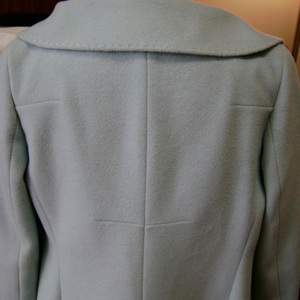











Interested in sustainability and sewing? Check out SewGreen at http://www.sew-green.org/ This group in Ithaca NY teaches beginning sewing classes, classes in repair and reuse of garments, and how to take care of aging sewing machines. Activities include a "Make Your Own Prom Dress" series and an annual Sustainable Fashion Show. Donations of fabric or sewing machines are used in the classroom, or sold at the SewGreen shop to support classroom activities for all ages.
I love the colour combinations.
At first I thought I'd opened a newsletter from the Ethical Fashion Forum. Great that this topic is being covered.
I am searching for ideas on sustainable interfacing. Any suggestions. I can use organic cotton knit, but would like the benefits of fusible interfacing if I can. Any recommendations?
I really like the use of repurposed, recycled or reused fabric garnered from various sources. I have done a few myself and am interested in doing more. I also like the idea of tea dying and using other natural substances to dye - like onion skins.
However, I think there should be explanations as to how the consumer is to take care of the newly made garment - how to wash it, probably by hand, and perhaps having to redye it as the colour washes out. Care should be taken when making up the garment that all parts of it are compatible with the washing / touch up dying methods. For instance, on the tee that is tea-dyed, it has an applique on both front and back. Would they become muddied in colour and not look as they did at first if you had to touch up the tea dye? Probably not a big deal, but you can see that with other combinations of fabrics, one could run into a bit of trouble.
Or perhaps using something like recycled wool in combination with a washable fabric - the wool would shrink or maybe bleed into the washable part. It is all very well to reuse fabric etc, but one wants to make sure what they make is durable and looks good, holds up well, etc., or the whole recycling effort falls flat when the garment gets shoved to the back of the closet or gotten rid of.
This is not a comment on the above designer's work specifically, just a word of concern to anyone thinking of making garments from recycled parts.
I am so glad this is something that is becoming more visible and widely accepted. It has been part of my small business since I started, remodeling and salvaging what I can of cast-offs, give-aways, and antiques.
My issue has always been pricing. How does one price something that essentially carries the history of being "used"? While this doesn't bother me in the slightest, a lot of folks have an aversion to this idea, or at least feel that it also carries an accompanying low cost, despite the time and skill that may have gone into modifying it.
If anyone has any advise or suggested reading about this topic please let me know. I have struggled with the price issue for a long time, as I think the process of couture clothing has quite a battle to fight against mass produced, ridiculously cheap clothing that is marketed with the intention of buying as much as one wants with not a thought to its afterlife.
It is inspiring to see an article like this featured. Keep it up!!
I have always have used natural fabrics, cotton, linen, wool, and silk, they are
always the most comfortable.
Before throwing out a used garment, I check for reusable buttons, and elastic
waistbands, embellishments, etc.
Some garments can be cut up and used for childrens craft projects.
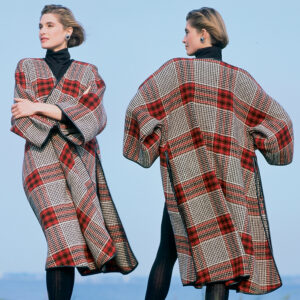
Old wool scarves,vests, or capes can be cut into gloves and mittens.