
Two Great Seam Finishes | Video
Wrap the edges with Seams Great or try a Hong Kong finish
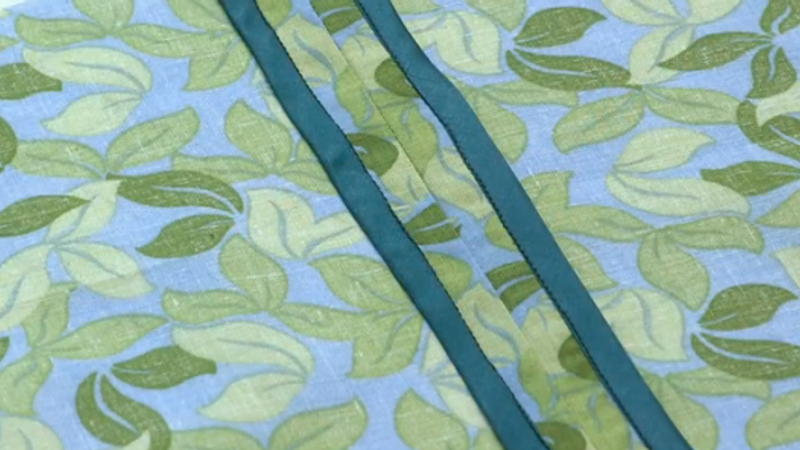
Learn how to apply two seam finishes in this episode from Teach Yourself to Sew: Season 2.
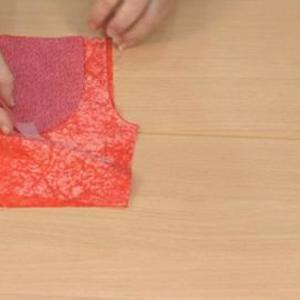
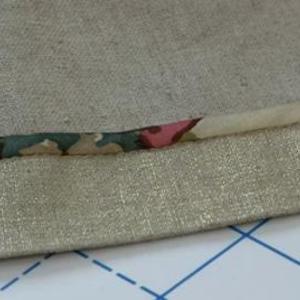
One way to finish the seam allowance involves the use of Seams Great, a nylon knit strip that wraps around a seam edge. The other method is known as a Hong Kong finish. Garment sewing expert Judith Neukam demonstrates how to apply both finishes.
This detailed tutorial is one video in the five-season Teach Yourself to Sew series.
Teach Yourself to Sew
Series host Judith Neukam got her first taste of sewing when she took the free lessons that came with her mother’s sewing machine purchase. Judith was 9 at the time. Soon after, she was sewing her own clothes and feeding her passion for the craft. In her Teach Yourself to Sew series, Judith shares her enduring love of sewing and her invaluable years of sewing experience.
Getting started
She starts with discussing the equipment and the essential sewing notions for anyone who sews. You’ll learn about shopping for fabrics, choosing patterns (including selecting the correct size), and planning the perfect pattern layout. From machine-sewing simple seams to inserting zippers and stitching buttonholes, Judith demonstrates the key steps to making a custom garment.
Discover methods for clean-finishing seam allowances and applying facings so all edges are neat. To add shape to garments, Judith explains how and why to sew darts, and how to gather fabric for volume. Other garment elements, such as sleeves, pockets, and elasticized waistbands, are shown in easy-to-follow video tutorials.
Advancing your skills
When you’re ready to challenge yourself further, tune in to Judith’s overview of couture garments and sewing techniques. Even if you never intend to become the next Coco Chanel, you’ll learn methods that add quality to your everyday wardrobe. Find out how to perfectly match stripes, plaids, and prints; baste seams; and insert underlinings and linings.
Finally, Judith shares the basics of pattern fitting and adjustment. Her method begins at the shoulders, ensuring the garment hangs properly. Follow along as Judith shows how to create a shoulder template that you can use again and again to adjust patterns before cutting the fabric. As a bonus, you’ll even learn how to create a custom dress form so you can fit garments on a body that truly represents your true body shape.








There's something about seeing the techniques on video that makes the "light bulb" switch on for me. I won the first season of "Teach Yourself to Sew" and it is used a lot by me. I love the chapter indexes that allow me to go right to the subject I need immediately without watching the whole thing. Thank you "Threads and to Judith Neukam who makes it all look so easy.
Sadly "Seams Great" wider than 5/8" is no longer available. It hasn't been for a number of years. The 5/8" width is too narrow for any fabric other than fine cottons and quilt fabrics. It is my favorite seam finish for anything other than unlined jackets (where I use the Hong Kong seam finish) so I have resorted to cutting my own bias 15 denier nylon tricot to get the knit strips wide enough for wools and other thicker fabrics.
On the Hong Kong finish, on the second side do you turn under the raw edge or leave it as is?
The second side is left as-is. Since it between the seam allowance and the garment it is seldom seen and it is on the bias.
Very useful information and very clear instruction thanks
I've never quite understood Hong Kong finish--you still have a raw edge of the binding on the other side of the seam allowance, so, even if it doesn't show, there's still a risk it will pull out of the stitching at some point. I use French, false French, or flat-felled seams for pretty much everything.
It strikes me that with 3 of the first 6 comments being on the subject of whether the back side of the Hong Kong seam finish is a raw or a finished edge that, assuming anyone's paying attention, those who make the video series would address the point. Here's my take:
Another comment about the video instructions for a Hong Kong seam finish: When the bias strip is cut at 1" wide and attached to the raw edge of the seam by a 1/4" seam, which is then pressed back on itself and the bias strip turned to the back side of the seam, the front side has only taken up 1/2" of the bias strip, leaving 1/2" for the back side of the seam.
Even though it's never stated as such, looking at the video there are two points where it seems fairly clear the raw edge at the back side has in fact been folded under. For one, looking back at the start of the second pass of stitching, the surplus end of the bias strip appears folded, not flat, where the second pass begins, implying what is not stated in the video, that the back edge is not left with a raw edge but rather is a folded-over finish.
Secondly, in the shot at the end of the video that shows front and back of the Hong Kong seam finish, the dimensions of the seam finish on front and back sides certainly look equal, and we already know the front was finished at 1/4".
What say you?
Do you need to prewash the bias?
Has everyone forgotten about "Hug Snug" Seam Binding by Lawrence Schiff Silk Mills? It's available in a multitude of colors, and is far superior to Seams Great in my book. Granted I wouldn't put it on a quilt for a binding, too narrow and fine, but it works wonderfully as a seam finish, and is very affordable. Most fine fashion fabric stores carry it.
The Hong Kong finish has been my favorite seam finish for several years. I like using a contrasting color or print for a fun look particularly on unlined jackets. Yes the underside is left raw. It is bias so it won't ravel.
I agree with Delovleo. I noticed too that a step is missing: pressing under the back edge 1/4 inch before sewing it down. If that is not the case, a raw edge would be exposed to wear and tear.
delovleo - The excess bias in the back of the seam allowance is trimmed after the second sewing is done. Folding it over would add additional bulk which on some fabrics would show on the fashion fabric when ironed. I leave a 1/4" past the second stitching line. It won't be seen so it doesn't even have to be neat.
Another thing to think about is adding the Hong Kong finish to the seam allowances before constructing the garment. It is easier.
delovleo - The excess bias in the back of the seam allowance is trimmed after the second sewing is done. Folding it over would add additional bulk which on some fabrics would show on the fashion fabric when ironed. I leave a 1/4" past the second stitching line. It won't be seen so it doesn't even have to be neat.
Another thing to think about is adding the Hong Kong finish to the seam allowances before constructing the garment. It is easier.
ZippyLady:
Seam finishes are left for uh, the finish because seam allowances may change over the course of constructing a garment. A little extra room may be needed for fitting, the sewer may have gone over by a 1/16 of an inch here and there. At the end, the seam allowances can be checked and trimmed to conform to each other if they're no longer identical.
WhiteDiamond:
I prefer enclosed seams, too, but they can't always be used, for example, on an unlined wool jacket. For that I'd use a Hong Kong finish.
regal80:
You leave it unfinished. If you turned and folded it under again it would be a bound (double bound?) finish, which is another type of seam finish. That one introduces bulk and is not always desirable. Because the strips are cut on the true bias they tend not to ravel.
I like to cut bias strips with a rotary cutter when possible because I get a much cleaner edge when I do.
Because the silk used on the Hong Kong finish is cut on the bias, it will not ravel like fabric that is cut on grain. Also the stitching would prevent raveling beyond that point even for on grain cuts.
Excellent vido clicp. But I have a few questions:
I own a serger- so isn't it easier to jsut finish the edges with the serger?
If I finish the seams as I go along ,then what happens if I have to make alterations? Even if I have perfected the fit of a pattern, there still may be changes to be done in fitting.
Or- can we just finsih the seam edges before sewing the seam together?
What about sewing the two sides of the seam allowance together as is done in many ready to wear garments?
Thank you for any responses!
tzipi