


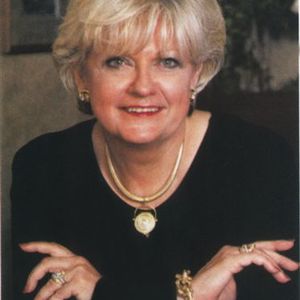
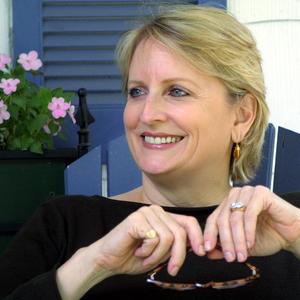
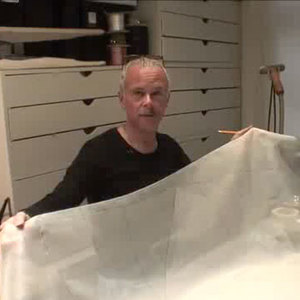
Kenneth D. King, author, professor, and made-to-measure couture designer
Threads is fortunate to include 4 amazingly talented contributing editors on our masthead: Louise Cutting, Susan Khalje, Kenneth D. King, and Mary Ray. They are each an expert in their area of sewing interest-but their interests are extremely varied. This blog will focus on Kenneth. Watch for future blogs about Louise, Susan and Mary. We want you to get to know them the way we know them-as more than simply a Threads author.
I asked Kenneth several questions, and I know you’ll enjoy reading his responses.
Threads: How would you describe your current career? What’s your favorite part?-that is, besides writing for Threads!
Kenneth: My career right now is a mixture of teaching at FIT (The Fashion Institute of Technology) and elsewhere, writing, and making couture. I still get thrilled when I reflect on the fact that I get paid to talk about, write about, and practice sewing, which I’d done for free for so many years. Having had the time over my 23 years of self-employment to explore different kinds of sewing has been a tremendous luxury, and one that I’m thankful for.
Threads: Did you always anticipate working in the “sewing” arena or did your life evolve in that direction at a later time?
Kenneth: When I started my business in the mid-80’s, I hadn’t planned on teaching and writing, but early on I was asked to teach at The Sewing Workshop when Marcy Tilton still owned it. (Sandra Betzina and Barbara Kelly did some arm-twisting to convince Marcy to contact me.) It was a lark on my part, but people seemed to like what I taught, and everything in the sewing world that I’ve done since grew from there.
Threads: Do you have any advice for people just starting to explore sewing and/or design?
Kenneth: With my teaching and writing, I’ve been fortunate to meet a lot of nice people. I’m often asked for advice for people who are just embarking on the journey called exploring sewing and design. If I were to say one thing and only one thing, it’s this: perfectionism is a disease, and a form of fear!
When learning the craft of sewing (which I believe is absolutely necessary in order to know what’s possible when designing), you should expect to destroy several acres of fabric before you get good. This is an acquired skill which can only be perfected by means of repetition-practicing over and over, learning from mistakes, learning when you can save something, and when you need to cut your losses and start over.
If you are afraid to make a mistake, afraid to ruin some fabric, or afraid to waste some time, you won’t ever get really good at this craft. It’s the dues you pay for becoming proficient.
However, if you are willing to charge forward, cut into that fabric, try something different, and risk making a mistake, there will come one day when you realize that you’re sewing without that knot of worry in the pit of your stomach, and the process effortlessly glides along.
Threads: I can’t think of any advice that’s better than this!
If you’ve ever had the pleasure of taking a class taught by Kenneth, or you’ve had the opportunity to meet him, please share your story with us.

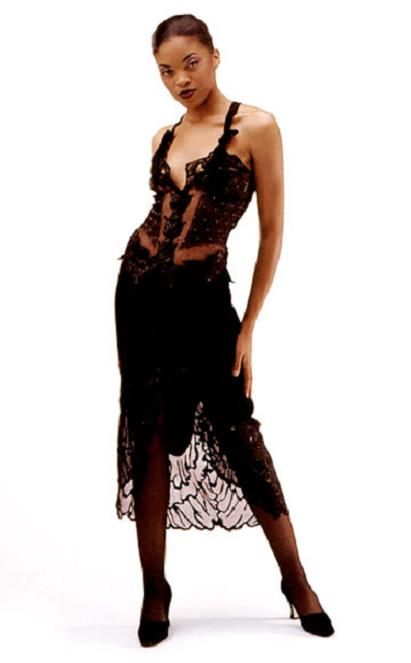
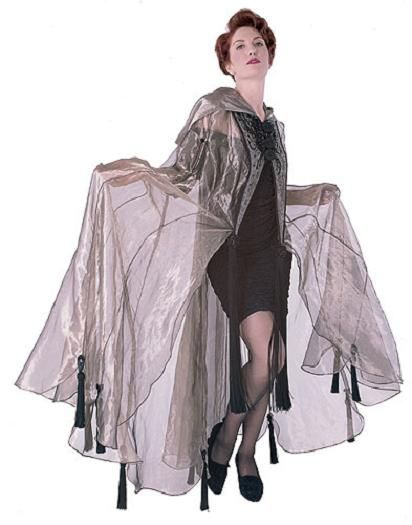
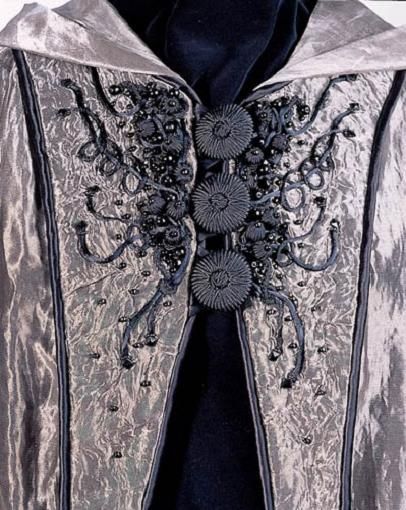
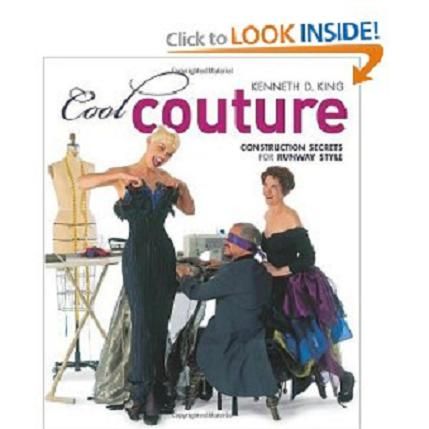




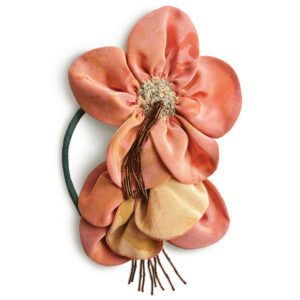
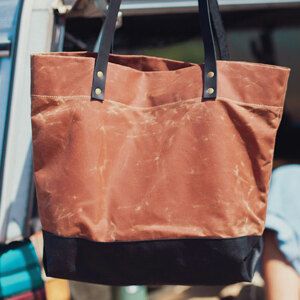
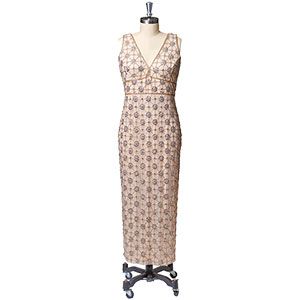
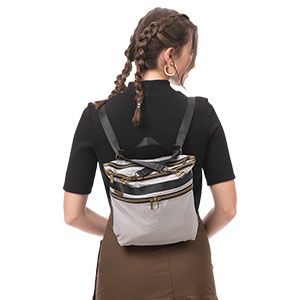
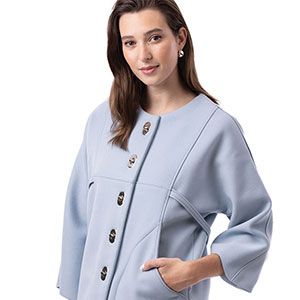
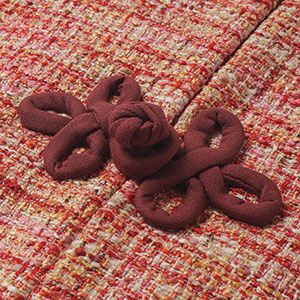
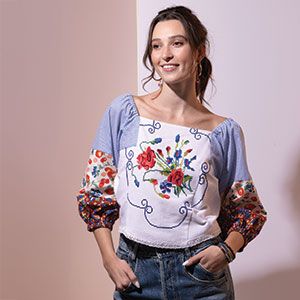






Kenneth is such great fun to be around, but aside from that, he's also rock-solid in his understanding of sewing. I love that he's expert in everything from fitting to making fancy little ornamental details...to constructing gorgeous purses, manipulating fabric, etc. He seems to have tried and mastered just about everything! He's a great contributor to Threads, and I know I'll always learn something new and helpful from his articles.
I love Kenneths books and every contribution he makes to Threads magazine and this forum.
His writing style is fun and witty and his instructions and diagrams in his books, well they are so easy to follow and understand. Not all books are like this. It spurns me on!!
Thanks a million.
Kenneth King has a real teaching talent. His techniques are not simple, nor a shortcut, but I follow them with confidence because I know I will get where he promised; he has been there and he shows me the way. He has a contagious enthousiasm about perfection and a need to make materials obey his dreams, I quite admire that! I never thought that professionals would share the way he does, so thank you for the music!
Mr. King, I LIKED your most recent article in Threads on fitting! But I must say ONE THING: it's NOT "hash marks"... it's "HATCH" marks! As in "crosshatching", a technique where lines are drawn vertically and horizontally to produce a gridlike pattern...sorry to be such a pedant, but that's just me....
Though I've never had the opportunity to take a live class, I absolutely loved the sewing show on cable. In fact I'd recorded several of the shows and was quite upset when I lost them. He is personable and gracious. And, he has impeccable skills!
This comment is in response to Rabia regarding our use of the term "hash marks."
I checked with our copy-editor who is the final word on all things grammatical in our magazine. Here is her reply:
"Unfortunately, neither “hash mark” nor “hatch mark” appears in Merriam Webster, which is the dictionary we use at Taunton—or any other online dictionary I could find. According to Wikipedia, “hash mark” is a variant of “hatch mark.” And if that’s the case, it isn’t actually wrong. The fact is, we aren’t using the marks in the traditional mathematical sense or in the “crosshatch” sense noted by the reader."
I guess this is one of those gray areas of grammar, which the English language is full of. Maybe it's a regional thing or something. I've always refered to sewing or other marks as hash marks and have never heard the tern hatch mark. Here's the Wikipedia link if you're curious:
http://en.wikipedia.org/wiki/Hatch_mark
Maybe other readers can tell us how they describe those little marks. If you respond, be sure to mention what part of the country you come from out of curiosity, since my suspicion is that different geographic areas use it differently.
Thanks, Rabia for your input.
I had the good fortune to attend one of Kenneth's workshops this past weekend in the Boston area. He is funny, talented and has a gift for teaching. I especially appreciated the little "pearls of wisdom" unrelated to the workshop topic - those alone were worth the price of admission. :-)
I look forward to taking other classes and workshops from him in the future, and would encourage other sewists to do so as well.
Where is anything for men. How about patterns for polo tops?
I've taken Kenneth's class on piping and just loved it. However, I've not been able to succesfully locate the adapter for the quarter inch zipper foot. Just Where can I find this...I have a Viking DesignerSE. Thanks.
I absolutely love the "Peplum Jacket" and wondered what pattern this is. I believe it was in the Oct 2012 issue of Threads.
thanks
hey hey hey! Hello a toi sur ce lieu de rencontre consequemment divertissant !!!
Je me nomme
J'aimerai